
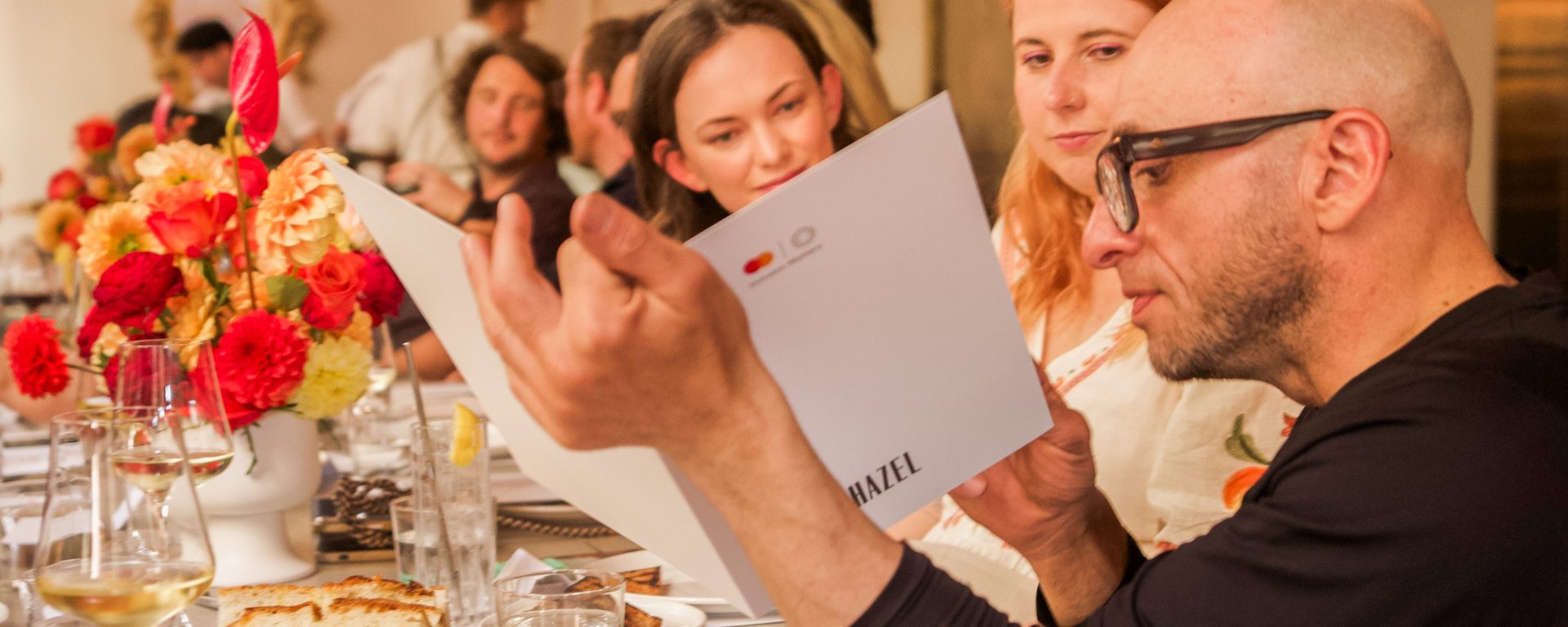
One in 40 Australians is autistic and for many, eating out can be extremely challenging.
For people with autism, choosing where to dine isn’t simply a matter of which eateries serve great food – but how they do so and in what surroundings. A new menu style called ‘Sensory Notes’ aims to address the challenge.
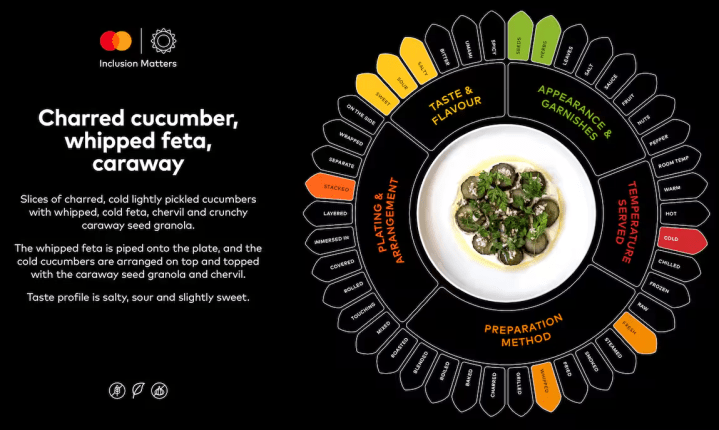
How does it work? Importantly, dishes are shown through photographs. They’re accompanied by descriptions covering five key categories: preparation method, plating and arrangement, appearance and garnishes, taste and flavour, and temperature served.
Hazel in Melbourne is one of the first restaurants to roll out the menu. Here’s how its prawn toast is described: ‘Fried, warm bread with diced prawn, Thousand Island sauce (made with mayonnaise, tomato sauce and paprika), chives, fresh horseradish and lettuce.
‘The diced prawn is mixed with the Thousand Island sauce and is stacked on the bread. It is topped with chives, fresh horseradish and lettuce.
‘Taste profile is salty, umami and slightly sweet.’
Including this detail is intended to help people make more informed dining decisions.
The menu design was a collaboration between Mastercard and Autism CRC, a national cooperative research effort that strives to improve life outcomes for people with autism. The way the menu describes dishes is “the same as how chefs do during development”, according to MasterChef Australia judge Jean-Christophe Novelli.
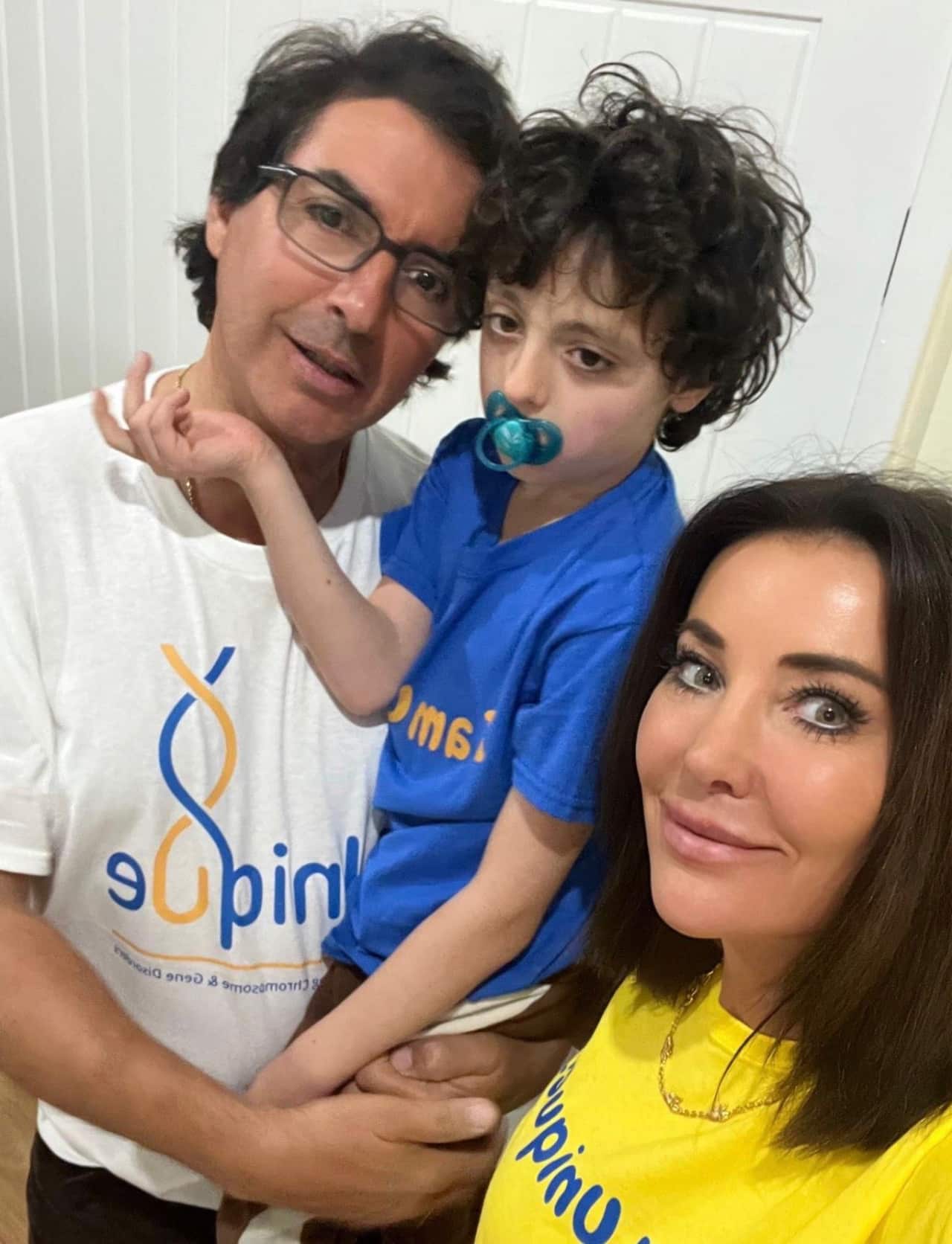
Novelli contributed to the menu’s framework, guided by his own experiences with his nine-year-old son Valentino, who lives with autism. For seven years, Novelli could not dine out with his wife Michelle and Valentino. “My son is non-verbal. We would go out, he’d become annoyed. His reactions would sometimes be out of control.
“At first, we didn’t know what was wrong. We just thought he wanted more water. Or maybe the lights were too bright.
“We’d need to cancel the order and leave the restaurant.”
He says for Valentino, something like cheese touching tomato sauce can be problematic. This year marks Novelli’s 50th year working in the hospitality industry. “I’ve had very harsh food critics, including Michelin inspectors, at my restaurants. No one is as harsh as my son,” he laughs.
“Dining out should be a moment of joy, comfort and connection, yet uncertainty around food often creates unnecessary barriers.
“I’m quite excited about Sensory Notes. I can’t wait to see it around the world. I don’t know how it hasn’t been done before,” he adds.
It’s a great point.
“But the good news is, we’re getting there.”
Sensory Notes is part of Mastercard’s ‘Inclusion Hub’ initiative, which features 25 practical measures businesses can implement to improve accessibility. Suggestions include adjusting sound and noise, providing clear signage and creating low-sensory zones.
Novelli knows hospitality operators might question the time and cost of prioritising inclusivity. He talks to business, asking them to consider lost revenue.
For his family, that was seven years of missed dining opportunities, including celebrations. “How many people are missing out in the business, because we just eat at home?”
Ballarat-based Laurel was diagnosed with autism at 47, following her son Erik’s diagnosis. She runs The Lab in Ballarat, a space focused on technology, gaming, and social connection for neurodivergent young people.
Laurel says dining out has always been difficult for her and Erik due to sensory overload. “Loud background noise, music, overlapping conversations, clattering cutlery, strong smells, and constant visual movement.”
Food sensitivity adds another layer for Erik. “When we eat out, he will only eat hot, crunchy chips. Texture, temperature and consistency are essential. If the chips are soft, cold, or different to what he expects, he simply can’t eat them.”
If we ask for something specific and it’s substituted without checking, even with good intentions, it can completely derail the experience.
“For autistic people, ‘almost the same’ isn’t the same at all. Because of this, we eat out far less than most families and rely heavily on predictability.”
Laurel says there’s a cafe they visit regularly. “It’s loud and I personally find it overwhelming. But Erik likes it because it’s consistent. He wears headphones, the chips are cooked perfectly every time and the milkshake comes out exactly the same.
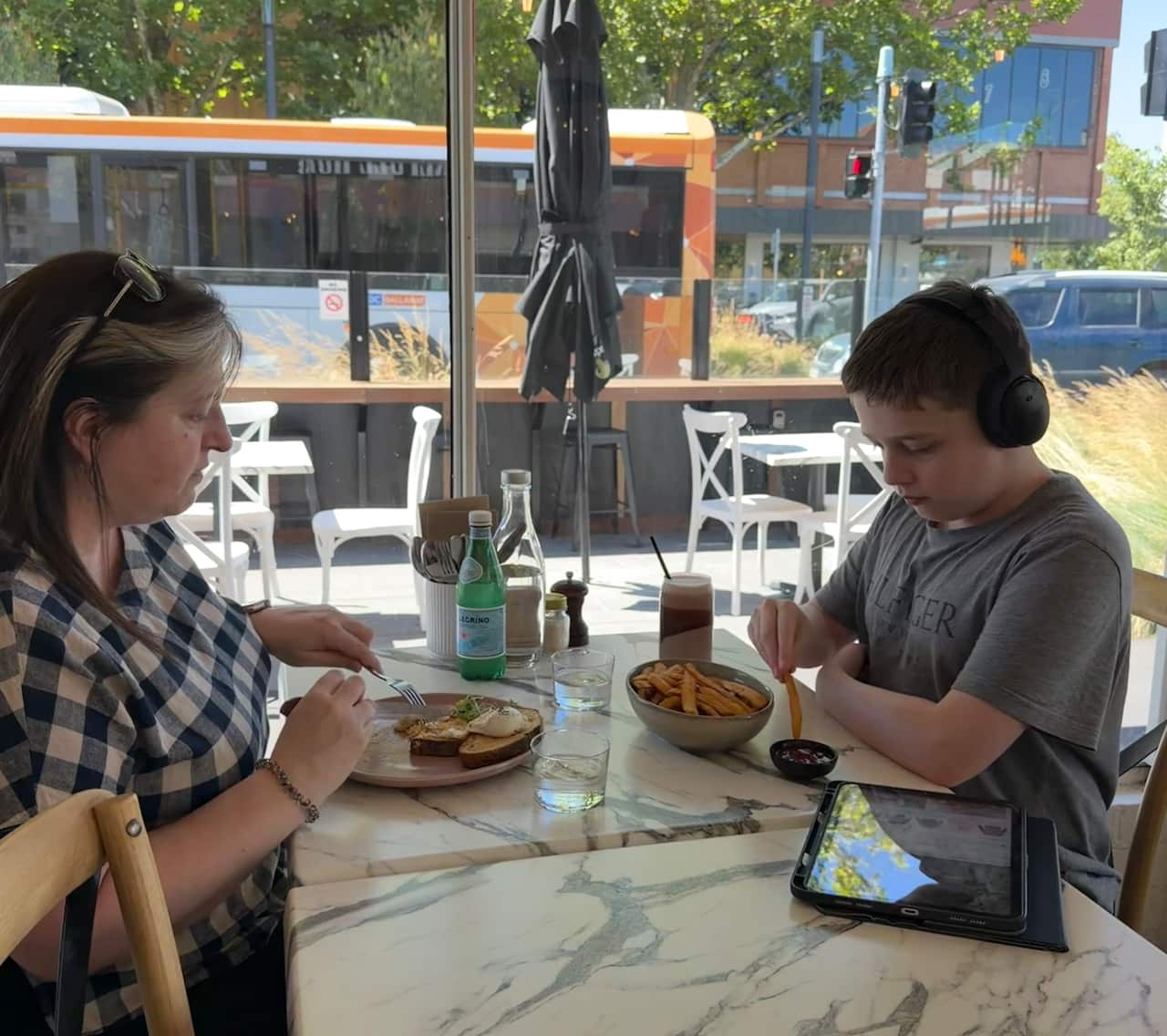
“We don’t stay long. We eat quickly and leave because of the noise. But being able to share even a short meal together without distress matters.”
Laurel believes Sensory Notes “will be a game-changer on many levels for autistic people and families,” with “exactly the kind of information that helps autistic people feel safe and confident”.
“I already check menus online, read reviews and look at social media posts before visiting a venue. Tools like Sensory Notes and the Inclusion Hub support the planning we already do and remove pressure in the moment. They allow us to focus on connection rather than coping, and that makes a huge difference.”
As the initiative scales, participating businesses will be discoverable in a directory, making it easy for people to find inclusive venues.
Lead image: supplied.
 caterina hrysomallis